


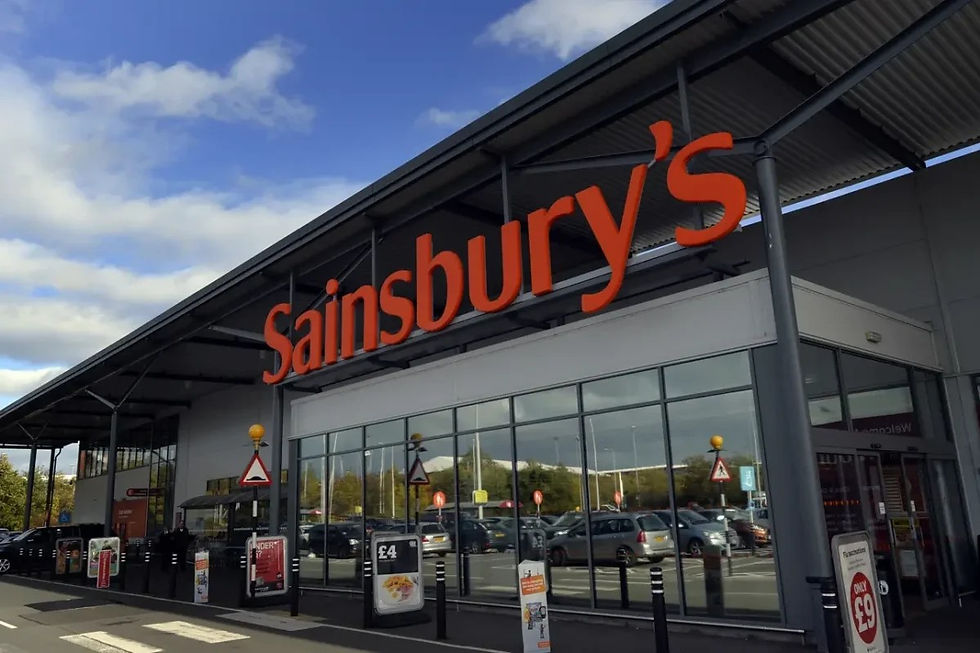
Sainsbury and rival supermarket Morrisons held preliminary talks regarding a potential multi-billion-pound merger earlier this year, according to reports from Sky News.
The exploratory discussions took place between November 2025 and February 2026 before being shelved. While active negotiations have concluded without an agreement, industry sources indicate that neither party has ruled out the possibility of re-evaluating talks in the future, as major grocery retailers assess strategic options in a competitive trading environment.
Had a transaction progressed, the tie-up would have represented the most consequential consolidation across the UK grocery market since Sainsbury's abandoned its bid for Asda five years ago.
Preliminary Discussions and Ownership Dynamics
The high-level discussions brought together Britain's second-largest supermarket chain and its fifth-largest grocery competitor.
Morrisons was acquired in 2021 by US private equity firm Clayton, Dubilier & Rice (CD&R) in a debt-funded buyout valued at approximately £7 billion. Since the takeover, the Bradford-based grocer has navigated substantial debt-servicing requirements alongside heavy capital expenditure to protect its store estate and expand its convenience footprint through Morrisons Daily.
City sources suggest that CD&R remains receptive to structural opportunities that could unlock liquidity or extract operational synergies through partnerships with established industry peers. Neither Sainsbury's nor CD&R has issued an official statement regarding the talks.
Regulatory Scrutiny and Competition Watchdog Precedent
Any prospective transaction between Sainsbury's and Morrisons would face rigorous examination by the UK Competition and Markets Authority (CMA).
The regulatory climate surrounding major supermarket combinations remains defined by the CMA's 2019 prohibition of Sainsbury's proposed £7.3 billion acquisition of Asda. In that ruling, the competition watchdog blocked the deal on the grounds that combining the two retail networks would substantially lessen competition, lead to higher prices for shoppers, and reduce product choice both nationally and across hundreds of local grocery catchment areas.
Analysts note that a combination of Sainsbury's and Morrisons would create a business commanding approximately 23.6% of the UK grocery market. This would position the combined group behind market leader Tesco, which controls around 27.8% of grocery spend, while remaining ahead of discounters and mid-tier competitors.
Given the significant overlap between the two grocers' physical estates, legal experts anticipate that any formal merger proposal would require extensive store disposals to secure regulatory clearance.
Industrial Capabilities and Sourcing Synergies
Beyond retail store counts, the strategic rationale behind past discussions centred on complementary supply chain and manufacturing infrastructure:
Vertical Manufacturing Integration: Morrisons operates an extensive internal food-manufacturing division, controlling abattoirs, meat processing facilities, bakeries, and produce packing sites that supply its "Market Street" counters.
Logistics and Non-Food Scale: Sainsbury's maintains an established national distribution spine alongside an extensive general merchandise and logistics platform anchored by Argos.
Omnichannel Density: Combining store estates would offer greater route density for online grocery delivery and rapid-fulfilment services, helping both brands offset escalating vehicle, fuel, and labour overheads.
UK Grocery Retail
The disclosure of historical talks reflects the structural margin pressures confronting traditional supermarket operators across the United Kingdom.
Sustained market-share expansion by German discounters Aldi and Lidl has compressed trading margins on core grocery staples, prompting conventional grocers to deploy price-matching programmes and loyalty-card pricing schemes such as Nectar Prices and Morrisons More. Concurrently, food retailers have absorbed elevated supply chain input costs, rising business rates, and statutory wage increases.
While formal discussions remain paused, retail analysts suggest that ongoing margin challenges and private equity investment horizons could drive further exploration of asset-sharing models, joint buying arrangements, or structural corporate transactions across the UK supermarket sector in the years ahead.

.jpeg)

.jpeg)
