


Mars, Incorporated has released its 2025 Sustainable in a Generation Report, documenting significant operational shifts in its energy procurement and value chain management. The company has achieved a major milestone, with all direct United States operations now powered by 100 per cent renewable electricity. This transition spans the company's manufacturing plants, corporate offices, veterinary clinics, and diagnostic laboratories.
The shift in energy procurement has contributed to a 42.6 per cent reduction in Scope 1 and Scope 2 greenhouse gas (GHG) emissions against a 2015 baseline. Across the full value chain, the company delivered a 6.4 per cent reduction in GHG emissions during 2025, bringing the total absolute emissions reduction to 16.9 per cent since 2015, despite a concurrent business growth of approximately 75 per cent.
Renewables Acceleration
To extend the impact of renewable energy procurement beyond direct operations, Mars has implemented its Renewables Acceleration (RAcc) programme. Launched in 2025, the strategy is projected to reduce corporate emissions by approximately three million tonnes by 2030, representing roughly 10 per cent of the company’s 2025 carbon footprint.
A recent RAcc contract with Enel North America supports three solar projects in Texas, estimated to generate 1.80 terawatt-hours of renewable electricity annually. This capacity is intended to supply both internal operations and external suppliers, facilitating broader value-chain decarbonisation. Complementary to these projects, Mars continues to utilise wind and solar installations to generate Renewable Energy Certificates (RECs) equivalent to the total electricity consumption of its US direct operations.
Climate Smart Agriculture Initiatives
Throughout 2025, Mars expanded its climate-smart agriculture portfolio to include 77 projects across 26 countries, covering 12 distinct crops. Key operational focuses included:
🥜 Protect the Peanut: A five-year investment of 5.2 million dollars to develop drought- and disease-resistant peanut varieties, supporting agricultural resilience in fluctuating weather conditions.
🌾 Raising Rice Right: An investment programme totalling 20 million dollars, running from 2020 to 2030, aimed at scaling climate-smart practices, farmer training, and industry collaboration in rice production.
🚜 Regenerative Wheat Production: A partnership with PepsiCo and ADM in Poland supporting 24 farmers to adopt regenerative practices across 5,450 hectares. Mars is specifically supporting regenerative wheat across 3,450 hectares for its pet nutrition brands, focusing on soil health, biodiversity, and long-term climate resilience.
Manufacturing and Capital Investment
Mars has committed to significant capital expenditure to strengthen its manufacturing base and support the decarbonisation of its value chain. The company has planned investments of approximately 2 billion dollars in United States-based manufacturing and 1 billion euros in European Union operations by the end of 2026.
To further these efforts, the company launched the Mars Sustainability Investment Fund, which carries a total capital commitment of up to 250 million dollars, and established the Mars Impact Fund to coordinate philanthropic and sustainability-focused initiatives.


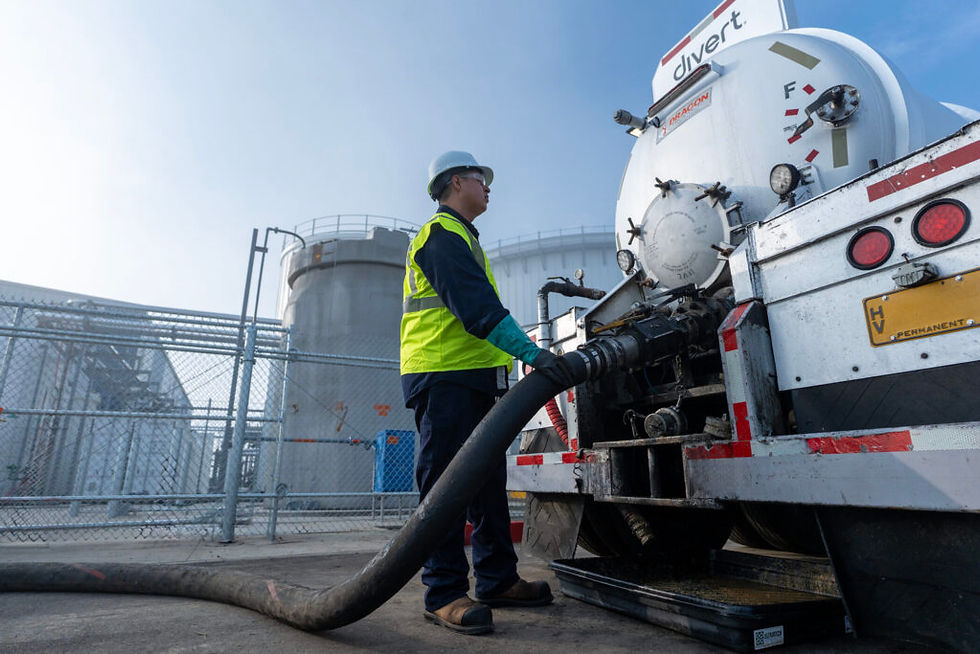
Divert Wins OMRI and CDFA Organic Listings for Upcycled Fertilisers

Cargill Doubles Production Capacity for FR3 Dielectric Fluid in Türkiye

Mars Integrates Shubh Mint Natural Menthol into European Manufacturing
