Cargill has committed more than $130 million over the next two years to expand its poultry processing and feed production network across Asia.
The capital expenditure programmes will target capacity expansion, operational efficiency, and supply chain resilience across the company's operating hubs in Thailand and the Philippines. The capital deployment is structured to support rising global demand for processed poultry across international retail and foodservice channels, while reinforcing domestic food production systems in Southeast Asia.
"Demand for high-quality protein continues to grow across global markets, and customers are looking for reliable innovation partners who can help them scale with confidence," said Watcharapon Prasopkiatpoka, Vice President and Managing Director, Poultry APAC at Cargill.
"This investment strengthens our ability to deliver poultry products with the quality and consistency our customers need. By investing in infrastructure, technology and people, we are serving the growing demand from customers for high-quality protein, while creating long-term economic value for farmers, businesses, suppliers and local communities."
Advanced Automation and Saraburi Processing Expansion in Thailand
A substantial allocation of the capital package is dedicated to expanding and modernising Cargill's primary cooked chicken operations in Thailand, which functions as the company's core poultry export hub serving Japan, Europe, Asia, and North America.
At its primary poultry processing complex in Saraburi, Cargill is installing a new automated cooked chicken processing line scheduled for completion in 2028. Over the next 24 months, the facility will undergo systematic technical upgrades, incorporating automated manufacturing equipment alongside artificial intelligence (AI) data-processing systems to streamline operational decision-making, boost yield accuracy, and support food safety controls.
Upon completion of the line, Cargill's annual cooked poultry production capacity in Thailand is projected to rise to roughly 160,000 metric tonnes. The expanded operations are expected to generate approximately THB 25 billion ($750 million) in annual export revenue for the Thai economy while generating more than 300 manufacturing roles for regional communities.
Raw Material Storage and Thai Grain Silo Construction
To insulate production facilities from grain supply volatility and optimize feed procurement, Cargill has broken ground on a new 30,000-metric-tonne raw grain storage silo in Thailand.
Scheduled to achieve full operational commissioning in early 2027, the silo complex will provide year-round grain storage capacity. The facility will enable the company to maintain steady commercial procurement cycles, allowing domestic grain farmers to market feed crops beyond conventional seasonal harvest windows.

Feed Mill and Upstream Farming Expansion in the Philippines
In the Philippines, the capital allocation focuses on strengthening livestock feed logistics and consolidating upstream farming networks:
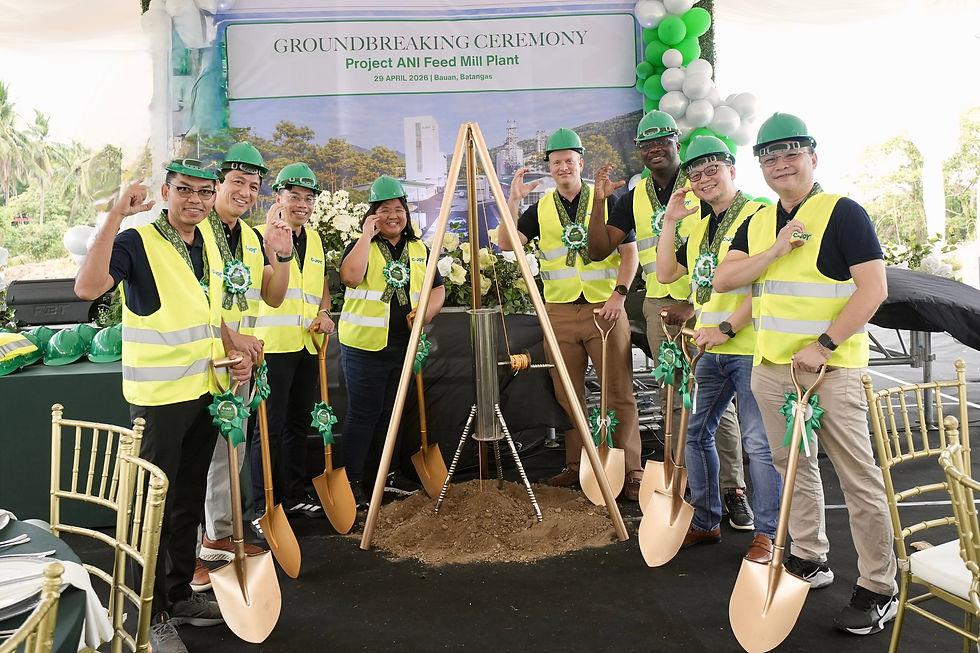
Feed Milling Infrastructure: Construction of an industrial livestock feed mill with an annual production capacity of 190,000 metric tonnes, scheduled to commence operations in late 2027 and create over 100 industrial jobs.
Upstream Farming Footprint: Expansion of Cargill's regional network of parent breeding stock, hatcheries, and broiler contract farms to reduce unit costs and safeguard broiler supply continuity.
The Philippine facilities will service growing commercial orders from national quick-service restaurant (QSR) chains and institutional foodservice operators, while scaling retail volumes for Cargill's domestic packaged chicken brand, "Tip-Top".
Global Protein Trade and Supply Chain Resilience
The two-nation infrastructure rollout addresses structural shifts across international poultry trade, where food manufacturers and hospitality buyers increasingly seek diversified, biosecure, and technologically integrated processing origins.
By integrating automated cooking technologies, expanded milling output, and raw grain reserves into its Southeast Asian hub, Cargill reinforces its multi-country production footprint, mitigating cross-border supply chain bottlenecks and securing long-term export velocity for international protein markets.

.jpg)