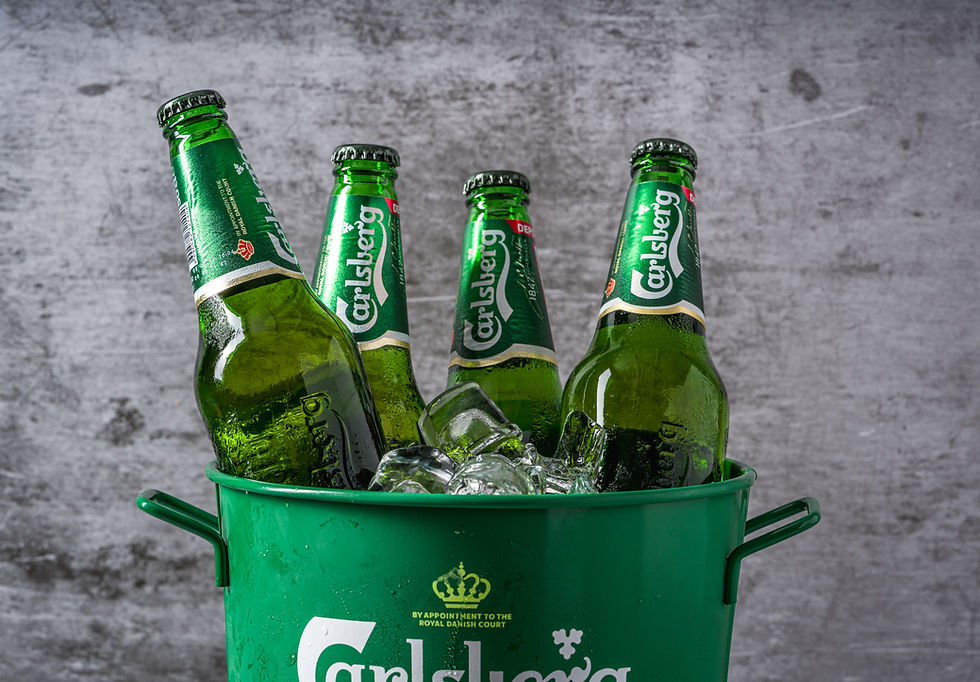
Carlsberg Malaysia has announced the domestic debut of ChongQing beer, introducing the historic Chinese lager brand to the Malaysian market. Formulated as a refreshing, easy-drinking lager with a 3.8 per cent alcohol by volume (ABV) strength, the product is engineered specifically to complement communal dining experiences, particularly the rapidly growing hotpot food culture.
The rollout, scheduled to commence in June 2026, represents a strategic move by the brewer to capture shifting consumer demographics in Southeast Asia. By introducing a premium heritage brand at an accessible price point, the company aims to capitalise on the rising domestic popularity of authentic Chinese culinary, lifestyle, and beverage traditions.
From an operational and supply chain perspective, a defining element of the launch is the decision to brew ChongQing beer locally at Carlsberg’s manufacturing facility in Shah Alam, Malaysia. Rather than relying on direct imports, which can introduce logistics volatility and higher tariff structures, local production ensures a highly stable, cost-efficient supply chain.
According to Roger Li, Brewmaster and Supply Chain Director of Carlsberg Malaysia, maintaining the strict organoleptic parameters of the original 1958 recipe was a core technical focus during the localisation process. By replicating the exact water profiles, filtration standards, and brewing cycles used in Chongqing, the technical team has ensured that the locally produced liquid preserves the original character, retaining the crisp, clean finish and smooth mouthfeel that consumers of the brand expect.
For the parent company, this localised brewing strategy serves a dual purpose:
Price Stability: Local manufacturing allows Carlsberg to bypass high shipping costs and import taxes, enabling them to position the brand as an affordable everyday option.
Agile Inventory Control: Brewing domestically allows the company to adjust production volumes dynamically based on real-time market demand, reducing warehouse holding costs and minimising the risk of stockouts.

Communal Dining Occasions and Sessionability
From a market positioning standpoint, the launch of ChongQing beer highlights how beverage conglomerates are increasingly aligning product development with highly specific dining occasions rather than broad consumer categories.
Historically, mainstream lagers have competed primarily on generic refreshment or sports-alignment marketing. In contrast, ChongQing beer is positioned explicitly as a culinary accompaniment. The visual identity of the brand reflects this narrow focus, integrating a hotpot-inspired logo and a vibrant red and gold colour palette to associate the beverage directly with communal, table-centred social gatherings.
This tight alignment with hotpot and fiery Chinese cuisine is backed by structural formulation choices:
Slightly Lower ABV: At 3.8 per cent ABV, the lager is more sessionable than standard 5 per cent lagers, making it highly compatible with long, multi-course meals where consumers drink over an extended duration.
Balanced Bitterness: The formulation features a clean malt profile and light hop bittering, designed to cleanse the palate without clashing with the intense spice, oil, and umami characteristics of Sichuan and Chongqing cuisines.
According to Stefano Clini, Managing Director of Carlsberg Malaysia, the introduction of the brand reflects a long-term evolution in consumer behaviour, where modern consumers are actively seeking out authentic regional Asian brands that resonate with their cultural and dining lifestyles.
To secure immediate market penetration and high-volume velocity, Carlsberg Malaysia is leveraging a targeted off-premise distribution model. The product will be launched nationwide through 99 Speedmart, one of Malaysia’s largest and most accessible convenience grocery chains.
By utilising 99 Speedmart’s extensive physical footprint, the brand can achieve immediate blanket coverage across both urban and suburban residential communities. This convenience-first distribution strategy aligns with the target consumption occasion, encouraging spontaneous, take-home purchases for informal, domestic dining gatherings.
The lager will be distributed in 490ml cans, a high-utility packaging format that maximises retail shelf-space efficiency whilst offering consumers a generous single-serve volume suited for relaxed social drinking.


.jpg)
Cargill Invests $130m to Expand Asian Poultry Operations in Thailand and Philippines

Dutchie Launches Cheesy Cheese Layered Yoghurt in Thailand

The Magnum Ice Cream Company Opens Research and Innovation Centre in India