
_edited.jpg)
Trend
Premium Newstalgia: The Dirty Soda Disruption
The "dirty soda" is a customised carbonated drink mixed with flavoured syrups, creams, and fruit purees. This drink has evolved from a regional Utah novelty into a multi-billion-dollar national megatrend. Driven overwhelmingly by social media virality and Gen Z consumer preferences, this hyper-customised beverage format is currently transforming the Quick-Service Restaurant (QSR), Ready-to-Drink (RTD), and Consumer Packaged Goods (CPG) sectors.
April 30, 2026


Never Miss an Update!
Receive personalised weekly email newsletters with industry news curated just for you.
The United States beverage landscape is undergoing a profound structural transformation, driven by the accelerated convergence of mass customisation, experiential consumption, and product premiumization. At the absolute epicentre of this macroeconomic shift is the "dirty soda" category.
What was once a highly localised, culturally insulated beverage format, constructed by modifying traditional carbonated soft drinks with dairy or plant-based creamers, flavoured syrups, and fresh fruit purees, has rapidly metamorphosed into a multi-billion-dollar market segment.

This transformation has captured the attention and capital of global quick-service restaurant conglomerates, legacy consumer packaged goods manufacturers, and private equity firms alike.
The financial trajectory of the dirty soda segment is characterised by exceptionally aggressive top-line growth and highly attractive unit-level economics that rival traditional premium coffee establishments. The total addressable market valuation for dirty sodas stood at an estimated $1.1 billion in 2025, with econometric projections from industry analysts forecasting an aggressive expansion to approximately $2.6 billion by the year 2033. This trajectory represents a Compound Annual Growth Rate of 11.20%, a metric that significantly outpaces the relatively stagnant, flat growth observed within the traditional, unadulterated carbonated soft drink sector.
Menu penetration data comprehensively corroborates this narrative of explosive growth. Dirty sodas are currently featured on two per cent of total United States restaurant menus, yet the category is experiencing a massive forty-two per cent growth rate in menu inclusion year-over-year. Furthermore, broader industry tracking indicates that 2.7% of all U.S. eateries now offer a carbonated soft drink modified with cream or milk, representing a near doubling of overall market penetration from the 1.5% recorded a decade prior. Independent retail traffic analytics underscore this momentum; for example, foot traffic to Swig locations witnessed a massive 137.9% year-over-year increase during early tracking periods, reflecting a transition from regional obscurity to national prominence. Search engine and discovery platform analytics further validate the consumer pull, with platforms like Yelp reporting a 609% increase in search queries for the generic term "dirty soda," and a corresponding 222% increase in searches for the specific brand "Swig" compared to baseline periods in the preceding year.
The fundamental commercial appeal for restaurant and foodservice operators lies in the extraordinary gross margin profile inherent to the product architecture. A standard dirty soda formulation carries an estimated raw ingredient cost of merely seventy cents, yet successfully commands an average retail price point of $5.50. This dynamic reliably yields gross margins approaching eighty per cent, representing a highly lucrative financial proposition that mimics the economic architecture of premium speciality coffee, but crucially requires a significantly lower barrier to entry regarding specialised extraction equipment and intensive barista training programs. Furthermore, the average retail price has demonstrated robust pricing power elasticity, increasing by six per cent quarter-over-quarter despite broader macroeconomic inflationary pressures negatively impacting consumer discretionary spending.
The Disintegration of First-Mover Advantage in the Speciality Soda Sector
The rapid mainstreaming of the customised dirty soda concept presents a fascinating economic case study regarding the fundamental vulnerability of regional first-movers when confronted with the immense scaling power of global corporate competition. Swig, the undisputed pioneer and historical leader of the category, operates over 140 locations across sixteen states, generating an impressive average per-unit revenue ranging from $924,000 to over $1 million, accompanied by 12.1% EBITDA margins. These metrics denote a fiercely healthy regional enterprise that has successfully attracted institutional capital, including majority ownership by the Larry H. Miller Company and minority backing from the Savory Fund. However, the fundamental competitive operational moat of the standalone speciality soda shop is inherently fragile.
The core commercial value proposition of a dirty soda—delivering mass customisation via the rapid mixing of commercially available syrups and dairy creamers with ubiquitous, globally distributed soda bases—lacks easily defensible intellectual property protections regarding the physical product itself. As global quick-service restaurant chains featuring thousands of established physical locations, highly optimised global supply chains, and multi-million-dollar marketing budgets aggressively enter the space, the geographical convenience advantage of regional players evaporates almost immediately. When consumers can seamlessly access a high-quality, customised dirty soda at the drive-through of a McDonald's operating nearly 14,000 United States locations, or a Taco Bell operating over 8,000 locations, the necessity to purposefully travel to a specialised, standalone soda shop diminishes.
This structural market reality dictates that regional innovators must rapidly pivot away from relying on sheer market footprint dominance, instead transitioning toward establishing sustainable brand differentiation, executing high-affinity licensing partnerships, and fostering hyper-localised community engagement to survive the corporate influx.
Product Innovations
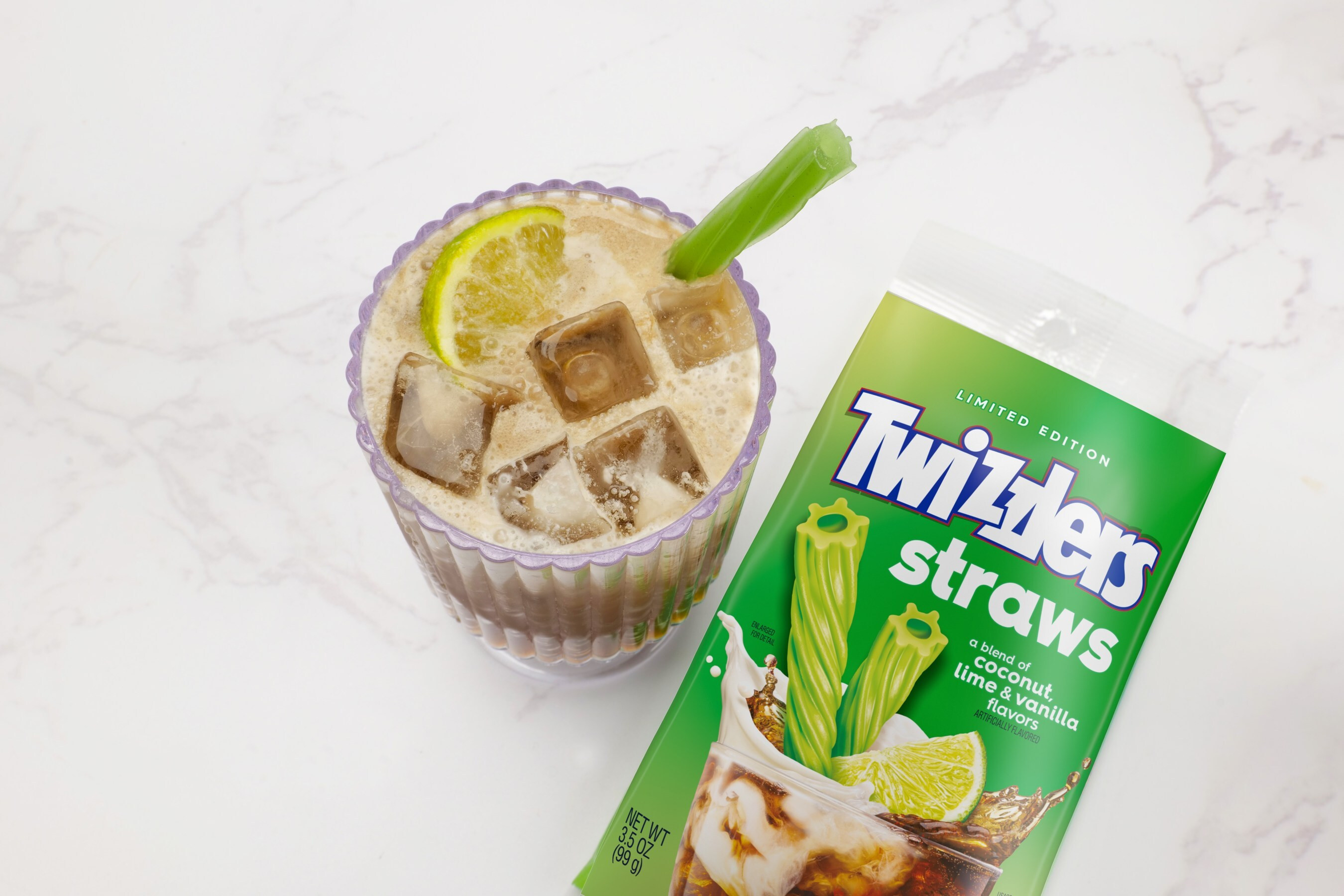
The total market validation of the dirty soda category is perhaps most evident when analysing the aggressive product development pipelines of major food and beverage corporations. Extensive reporting from the FNBX platform highlights a flurry of highly strategic product launches designed specifically to capture various emerging use-cases, ranging from on-the-go convenience retail to fully immersive quick-service restaurant experiences and novel consumer packaged goods crossovers.


.jpeg)


The dirty soda segment has irrevocably and permanently altered the trajectory of the massive non-alcoholic beverage market. It is definitely no longer a fleeting, localised digital trend, but rather a thoroughly validated, structurally sound global category characterised by intensely high consumer loyalty, massive digital shareability, and unparalleled, highly resilient profit margins.
By flawlessly executing against these specific strategic imperatives, focusing intensely on resolving operational efficiency hurdles, mastering deep functional ingredient integration, and pioneering highly innovative, sustainable RTD formats, industry leaders can permanently secure a dominant, highly profitable position in the rapidly approaching next era of global beverage consumption.