


PepsiCo has partnered with German agricultural machinery manufacturer Grimme to develop a digital twin virtual reality (VR) training simulator for potato harvesters, targeting one of the most persistent and costly sources of agricultural waste in the snack food supply chain.
Accessible via VR headsets, smartphones, and tablets, the interactive platform creates a hyper-realistic digital replica of commercial potato harvesters. The tool allows operators to explore internal machinery mechanics, adjust operational settings, and master equipment handling in simulated environments before entering commercial fields.
The initiative addresses post-harvest damage caused by mechanical bruising, an issue that impacts crop quality, storage life, and grower revenue before raw potatoes reach processing plants for brands such as Lay's.
"Training operators at scale has long been an issue for the industry but can result in a costly impact if harvesting equipment is not used effectively," said Frank Nordmann, General Manager Key Accounts and Sustainable Development at Grimme. "This digital approach dramatically expands our ability to support growers globally and improve the amount of quality crop that a farmer can sell."
Harvesting Variables and Labour Training Constraints
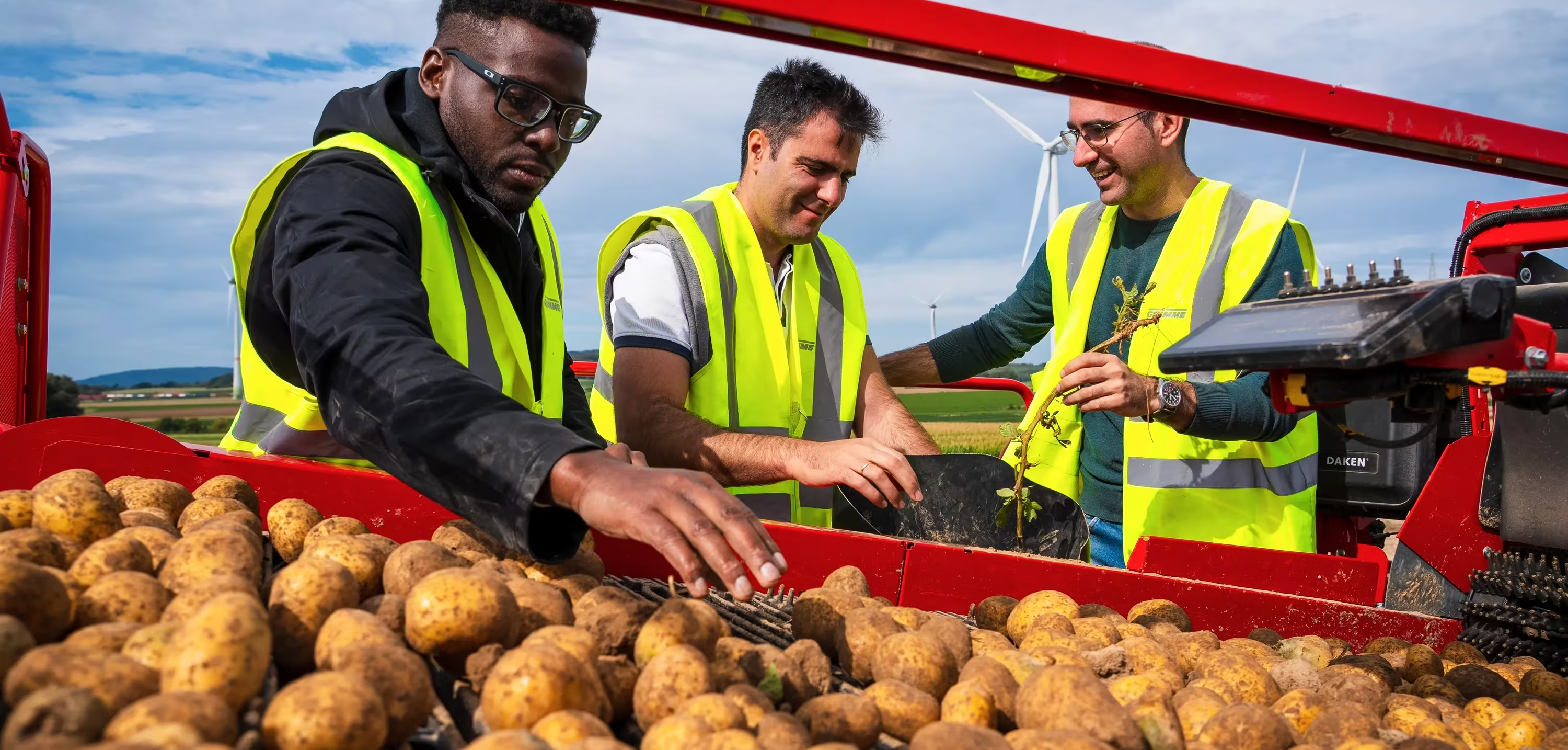
Mechanical harvesting represents a high-risk stage in potato farming, where variables including vehicle speed, soil composition, field incline, and operator technique directly influence tuber quality.
Sub-optimal machinery settings frequently cause subterranean bruising, rendering potatoes unsuitable for crisping and forcing growers to discard substantial volumes of harvested stock. Delivering standardised technical training across global supply chains has historically presented logistical challenges, as commercial harvesting relies heavily on seasonal, dispersed workforces speaking multiple languages.
By digitising the machinery architecture, the simulator enables seasonal and novice operators to virtually inspect harvesters, remove protective panels, and test adjustments that would be hazardous or commercially impractical during live harvest cycles.
Pilot Results and International Expansion
Initial commercial trials conducted across agricultural supply networks in Brazil and Mexico demonstrated measurable improvements in post-harvest yields:
Bruise-Free Harvests: Farms utilising the digital twin training achieved an average 87% increase in bruise-free potato yields.
Severe Damage Reduction: The simulation programmes delivered a 1.7-fold reduction in severe mechanical bruising.
Operational Optimisation: Field operators adjusted real-time machine settings to compensate for variable topography and soil resistance.
Following the Latin American pilots, PepsiCo and Grimme have expanded deployment of the training hardware and software to growers in Romania and Poland. The technology was also showcased to growers from more than 35 countries at PepsiCo’s Global Agro University event in Germany.
PepsiCo confirmed that while its direct contract farming network will receive priority access, the digital twin tool is being released on a non-exclusive basis to benefit the wider international farming sector.

Regenerative Agriculture and pep+ Integration
The training programme integrates with PepsiCo’s broader agricultural procurement operations, which collaborate with specialised ag-tech companies including AgroScout and CropX to support regenerative farm management.
In southern Alberta, Canada, for example, the fourth-generation Perry Family Farm, which has supplied potatoes for Lay's crisps for 45 years, deploys regenerative farming practices alongside artificial intelligence monitoring tools to enhance soil biology and operational resilience.
Reducing field-level crop attrition directly supports PepsiCo’s overarching sustainability programme, pep+ (PepsiCo Positive). By curbing physical wastage during harvesting, growers can supply required processing volumes with fewer planted hectares, reducing associated agricultural inputs including water, diesel fuel, and synthetic fertilisers.
"We aim to find solutions to challenges that farmers face every growing season while ensuring we get a sustainable supply of quality potatoes," said Rob Meyers, Vice President of Global Agriculture at PepsiCo. "By pairing Grimme’s engineering expertise with PepsiCo’s agronomy insights, we’ve created a scalable tool that can help improve both crop quality and farmer livelihoods and reduce waste that can impact land use and carbon emissions."
PepsiCo and Grimme plan to expand language localisations, introduce upgraded simulation modules, and evaluate broader machinery applications across other mechanised harvesting sectors in the coming seasons.
.png)

.jpg)
.jpg)