
.jpeg)
Trend
The Jaffa Cake Effect: Why Food Brands Are Obsessed with Chocolate-Orange Collaborations
From Müller Corner yoghurt pots to chilled barista coffees, legacy snack brand McVitie’s Jaffa Cakes is migrating across the supermarket. Here is how brand mashups, “safe adventure” psychology, and food chemistry turned a divisive teatime classic into the UK’s most versatile flavour powerhouse.
September 14, 2026


Never Miss an Update!
Receive personalised weekly email newsletters with industry news curated just for you.
Walk through a British supermarket today, and you are just as likely to encounter a Jaffa Cake in the chilled dairy aisle or the grab-and-go drinks cooler as you are in the ambient sweet bakery fixture.
In recent months, manufacturer pladis has orchestrated a calculated cross-category blitz. Dairy giant Müller unveiled a flagship Müller Corner collaboration featuring McVitie’s Jaffa Cakes alongside Oreo and Flipz. Costa Coffee rolled out an official McVitie’s Jaffa Cake Frappé in both chilled ready-to-drink (RTD) bottles and café menus. On biscuit shelves, an internal mashup produced the limited-edition McVitie’s Digestives Jaffa Cakes flavour. Seasonal confectionery aisles welcomed the novelty McVitie’s Jaffa Elf, while craft distillers have processed genuine Jaffa Cakes into 42% ABV gins, rums, and vodkas.
Far from being an accidental run of novelty products, this flurry of brand mashups signals a structural shift in fast-moving consumer goods (FMCG). Facing changing consumer spending, tight retail regulations, and shifting snacking habits, brands are turning to cross-category partnerships to keep heritage names culturally relevant.
At the centre of it all sits one distinctive, century-old flavour profile: dark chocolate and zesty orange.


It's a Safe Adventure
Why are shoppers eager to try a Jaffa Cake-infused yoghurt or iced coffee? The answer lies in the psychological tension between economic uncertainty and sensory fatigue.
Years of persistent food inflation and constrained household budgets have reshaped the British pantry. When everyday luxuries like eating out at restaurants are curtailed, consumers turn to accessible grocery purchases for stress relief. A £1.00 seasonal novelty figure or a 90p yoghurt pot delivers an affordable burst of mood-boosting indulgence without straining the weekly food budget.
However, consumers do not just want cheap treats; they want reassurance. Industry research reveals that 85% of UK consumers regularly buy nostalgic food and drink brands, with 22% intentionally increasing their purchases during uncertain financial periods because these products offer reliable emotional comfort.
At the same time, consumers crave excitement: around 23% of UK shoppers actively seek novel multi-sensory food experiences. When people have less money to waste, buying a completely unknown flavour feels like an unnecessary gamble.
This dynamic powers what market researchers call safe adventure. By packaging an instantly recognisable, century-old taste profile inside a completely new physical format—be it a cultured dairy pot or a cold-brew frappé—brands deliver genuine novelty wrapped in emotional security. Market data indicates that limited-edition twists and hybrid collaborations prompt more than half of sweet biscuit shoppers to buy additional items, unlocking valuable basket growth.
Why Orange?
The popularity of Jaffa Cake collaborations is not just clever branding; it is backed by sensory science. Chocolate and orange form a complementary pairing across sweet, dairy, and beverage applications.
Flavour Phase | Primary Chemical | Sensory & Mouthfeel | How It Works in Collaborations |
Citrus Note | Monoterpenes (mainly d-limonene), aliphatic aldehydes, citric acid | High volatility; sharp, uplifting aroma; stimulates salivation and cuts lipid residue | Cleanses the palate through rich yoghurt lipids, heavy cream, or sweet coffee bases |
Cocoa | Pyrazines, polyphenols, alkylpyrazines, cocoa butter fats | Earthy bitterness; rich melting fat; lingering mouthcoating and warm finish | Tames sharp citrus acidity; grounds sweet fruit purees with a savoury, roasted finish |
Base | Dairy curd, roasted coffee beans, wheat starch, or grain spirits | Regulates volatility release; delivers textural contrast from crunch to silkiness | Buffers sugar spikes and preserves flavour balance across varying temperatures |
Milk fats and cocoa solids provide rich comfort, but they also coat the tongue and quickly lead to sensory fatigue—the cloying feeling that stops you from finishing an overly rich dessert.
The volatile citrus oils in orange, dominated by d-limonene, provide an acidic contrast. The bright citric acidity prompts instant salivation, breaking down heavy lipid films and cleansing the palate. This balance explains why the profile translates cleanly across categories:
In Chilled Dairy (Müller Corner): The natural lactic tang of cultured yoghurt complements the citrus top notes, keeping the combined snack light rather than heavy.
In Cold Coffee (Costa Frappé): The roasted bitterness of coffee beans shares earthy pyrazines with cocoa, while the orange extract cuts through dairy fats and cane sugars to make the iced frappé refreshing during warmer months.
In Distilled Spirits (Atom Brands): Vacuum-distilling real Jaffa Cakes alongside orange peel and cocoa beans allows the citrus terpenes to balance out the burn of 42% ABV grain spirits, creating a ready-made base for twists on classic cocktails like the Negroni.

A British Cultural Staple
Beyond the test tube, chocolate-orange is embedded in the UK’s snacking culture. Popularised by staples like Terry’s Chocolate Orange and McVitie's Jaffa Cakes, British consumers are conditioned from childhood to associate chocolate and orange with festive treats, afternoon tea, and comfort.
While chocolate-orange was once treated as a seasonal winter profile, regular product innovation has turned it into a year-round favourite. This established acceptance gives brands an ideal testing ground: after proving consumer interest with standard orange, pladis has tested limited-edition variations including Passion Fruit, Mango, and Yuzu Lemon.
Most brand managers avoid product ambiguity. For McVitie’s Jaffa Cakes, confusion over whether the snack is a cake or a biscuit is an invaluable marketing asset.
This famous debate is rooted in British legal history. In 1991, manufacturer United Biscuits faced off against Her Majesty’s Customs and Excise in a landmark Value Added Tax (VAT) tribunal. In the UK, basic cakes and plain biscuits are classified as essential foods and zero-rated for VAT (0%), but biscuits partly or wholly covered in chocolate are deemed luxury items and taxed at 20%.


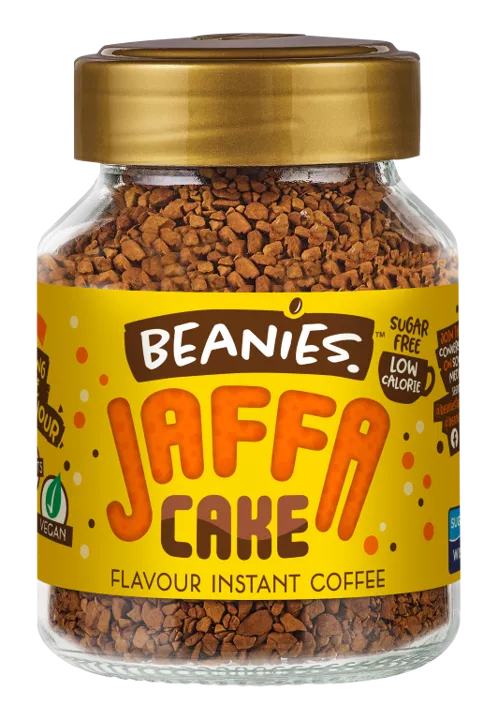


Tax authorities argued that Jaffa Cakes should be taxed as chocolate biscuits because of their palm-sized shape, retail placement in the biscuit aisle, and finger-food consumption. McVitie’s defended its zero-rated status by baking a foot-wide Jaffa Cake for the courtroom and presenting a core scientific difference: when biscuits go stale, they absorb ambient moisture and go soft; when cakes go stale, they lose moisture and turn hard. Jaffa Cakes, made from an aerated sponge batter with over 12% moisture content, harden when stale. The court ruled in McVitie’s favour, cementing the snack’s legal identity as a cake.
Decades later, pladis continues to use this legal clash to drive modern brand engagement. The launch of McVitie’s Digestives Jaffa Cakes turned this history into a retail activation. Marketing the hybrid as a concession for "biscuit believers," the product replaced the traditional soft sponge base with a crumbly digestive base, topping it with orange filling and chocolate.