


The global cultured meat sector is undergoing rapid diversification as pioneering foodtech firms look beyond traditional livestock categories to capture high-value, supply-constrained niche markets. In a significant scientific milestone, biotechnology firm myriameat has announced the successful generation of a pluripotent stem cell line from roe deer (Capreolus capreolus).
Using its proprietary, patented differentiation protocol, the research team has successfully converted these stem cells into real, functional roe deer muscle cells. This development establishes the foundational platform technology required to manufacture slaughter-free, cell-based roe deer fillets, representing a major step forward in the commercialisation of structured cellular game meat.
While much of the cellular agriculture industry has focused on high-volume commodities such as pork, beef, and poultry, myriameat's entry into the venison market highlights a strategic pivot towards premium, high-margin, and highly regulated speciality meats.
The Pluripotent Stem Cell Line
From a stem cell biology and tissue engineering perspective, the creation of a stable induced pluripotent stem cell (iPSC) line from a wild game species represents a highly complex achievement. Pluripotent stem cells possess the unique capability to self-renew indefinitely and differentiate into any cell type within the animal's body, including skeletal muscle and fat.
The team at myriameat overcame key biological barriers by implementing a highly precise, patented differentiation protocol to guide the roe deer iPSCs:
Targeted Lineage Direction: The protocol successfully mimics natural embryonic development signals, prompting the undifferentiated stem cells to commit exclusively to the myogenic (muscle) lineage.
Authentic Muscle Synthesis: The resulting cells are true roe deer muscle cells rather than plant-based, mycelium, or mock texturised substitutes, ensuring the final product possesses identical nutritional, structural, and cellular properties to conventionally harvested venison.
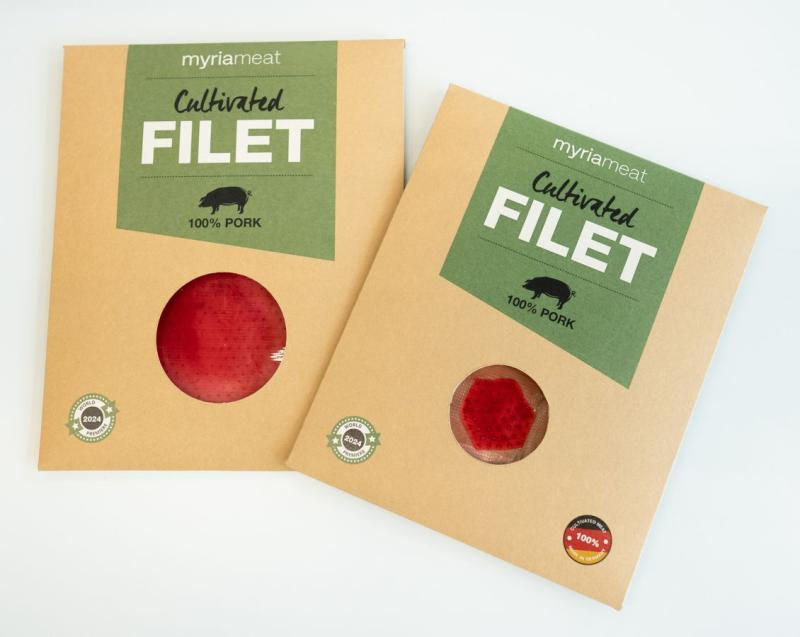
Platform Versatility Demonstration: By replicating their previous R&D successes with cultured pork in a wild cervid species, myriameat has proven that its underlying platform technology is highly versatile and transferable across diverse animal lineages.
Supply Chain
For food service operators, luxury retailers, and premium category managers, venison represents a highly prized culinary asset characterised by exceptional lean protein content and a distinct, rich flavour profile. However, the commercial supply chain for wild game is inherently volatile, governed by strict regional hunting seasons, wildlife management quotas, environmental fluctuations, and safety concerns regarding wild pathogens.
By establishing an in-vitro production method for roe deer meat, myriameat is addressing several critical commercial pain points:
Bypassing Seasonal Availability: Cell-cultured venison can be cultivated year-round in controlled bioreactor environments, providing high-end hospitality clients with a predictable, consistent supply.
Mitigating Wildlife Pressures: Scaling cell-based game meat eliminates the need for wild harvesting, reducing ecological pressure on native forest populations and eliminating the risk of over-hunting.
Ethical and Pathogen-Free Sourcing: The bioreactor environment ensures the meat is grown free from agricultural antibiotics, heavy metals, or wild parasites, offering a level of food safety and trace-by-batch consistency that conventional game harvesting cannot match.
According to Florian Huettner, Chief Executive Officer of myriameat, this milestone demonstrates that cultured roe deer meat is no longer a distant vision, but a highly concrete next step in the company's technical development pipeline.
Future Process Optimisation and Tissue Structuring
While the successful differentiation of roe deer muscle cells represents a major breakthrough, the transition from cellular suspension to a structured, consumer-ready fillet product requires further scale-up engineering.
The next phase of myriameat’s R&D programme will focus on the following vectors:
Cell Line Characterisation: Conducting rigorous genomic and phenotypic testing to ensure the long-term genetic stability and rapid replication rates of the newly established roe deer iPSC line.
Process Step Optimisation: Refining the bioreactor media formulation and temperature controls to lower production costs and maximise cell mass yields per batch run.
3D Tissue Assembly: Integrating the differentiated muscle cells with cellular fat and edible structural scaffolding to replicate the complex, fibrous mouthfeel of a whole-cut venison fillet.
As the cellular agriculture market continues to mature and navigate international regulatory approval pathways, myriameat's successful synthesis of roe deer muscle serves as a compelling case study of how niche, high-value branding can drive investment and consumer interest in the future of sustainable food systems.


.jpeg)
.jpeg)