


PepsiCo has announced a landmark collaboration with agriculture technology firm TalusAg to advance the decarbonisation of its global agricultural supply chain. The partnership marks PepsiCo’s first executed transactions for low-carbon ammonia environmental attributes, representing an initial 30,000 metric tons of low-carbon ammonia with an option for an additional 41,000 metric tons.
The initiative targets one of the most emissions-intensive components of the global food system: synthetic fertiliser production. By utilising a market-based mechanism, PepsiCo aims to drive immediate, auditable emissions reductions while ensuring fertiliser remains affordable and accessible for its network of farmers.

Technical Infrastructure and Tokenised EACs
A central innovation of the partnership is the use of a "book-and-claim" model, facilitated by S3 Markets. This framework allows the environmental attributes of low-carbon fertiliser to be tracked, issued, and retired independently of the physical product flow.
Key technical components of the platform include:
Tokenisation: S3 Markets is providing the world’s first tokenised ammonia fertiliser EACs, specifically from TalusAg’s project in Boone, Iowa.
Lifecycle Management: The system ensures secure, auditable tracking of attributes, allowing PepsiCo to claim carbon reductions with high confidence.
Scalable Adoption: This digital-first approach enables near-term climate action even as the physical logistics for low-carbon ammonia continue to mature globally.
Distributed Production and Supply Chain Sovereignty
Beyond carbon mitigation, the TalusAg model introduces a structural shift in how nitrogen is produced. Traditional fertiliser supply chains are highly centralised and exposed to significant geopolitical and logistical volatility.
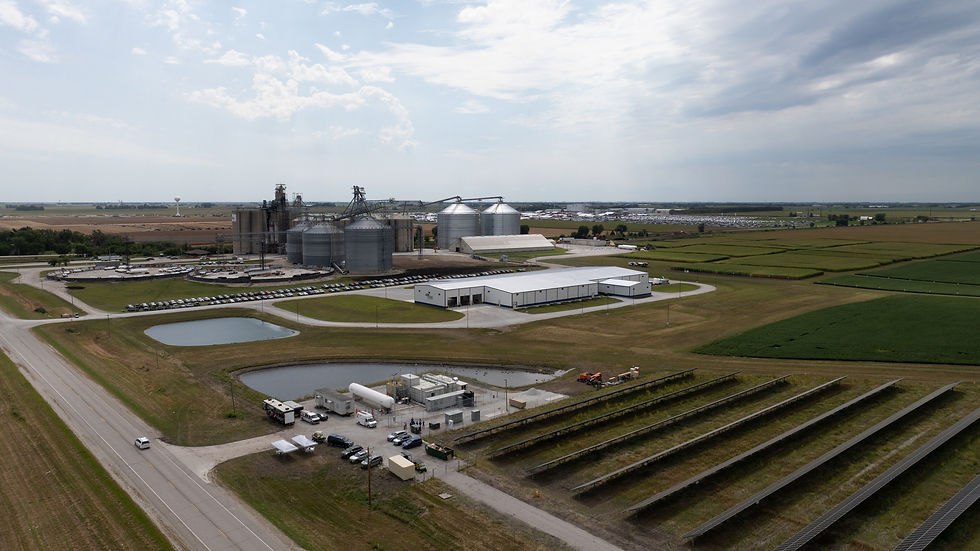
TalusAg utilises a distributed production model that enables on-site, local generation of ammonia closer to where it is utilised. This localised approach provides several B2B advantages:
Logistics Efficiency: Significantly lowers transportation-related emissions and costs.
Market Resilience: Reduces reliance on long, fragile global supply chains, mitigating price volatility and geopolitical risks.
Growth in Emerging Markets: Improves access to reliable fertiliser supplies in regions that have historically struggled with inconsistent import infrastructure.
Margaret Henry, PepsiCo Vice President of Sustainable and Regenerative Agriculture, stated that decarbonising fertiliser is critical for climate progress, but emphasised that it must be done in a way that "works for farmers." By using EACs, PepsiCo creates a strong demand signal for low-emission ammonia without requiring growers to bear the upfront capital burden of transitioning to new, expensive inputs.
This agreement is a vital component of PepsiCo's broader climate strategy, targeting hard-to-abate upstream emissions that occur outside of direct supplier relationships. By creating more stable input economics for growers, PepsiCo is helping to de-risk the long-term transition of the global fertiliser market.
Low-Carbon Commodities
The collaboration between PepsiCo, TalusAg, and S3 Markets serves as a proof-of-concept for how trusted market infrastructure can support the growth of low-carbon commodities. Hiro Iwanaga, CEO of TalusAg, noted that the deal helps de-risk new production capacity while building supply chain reliability.
As the industry moves toward 2030 sustainability targets, the success of this tokenised EAC model will likely serve as a blueprint for other global CPG leaders looking to reconcile aggressive net-zero goals with the practical economic requirements of the agricultural sector.

Divert Wins OMRI and CDFA Organic Listings for Upcycled Fertilisers

Cargill Doubles Production Capacity for FR3 Dielectric Fluid in Türkiye

Mars Integrates Shubh Mint Natural Menthol into European Manufacturing
