


Nestlé UK & Ireland and dairy co-operative First Milk have transitioned a portion of their milk transport logistics from diesel to Hydrotreated Vegetable Oil (HVO). The initiative is projected to reduce greenhouse gas emissions by 83 per cent on the designated routes, cutting approximately 1,000 tonnes of CO2e annually.
Under the agreement, Nestlé will fund the use of HVO fuel to transport raw milk from First Milk member farms across Cumbria and Ayrshire to nearby Nestlé processing facilities in Dalston and Girvan.
The transition is being executed in partnership with logistics operators T. P. Niven and Wm. Armstrong. The HVO fuel utilised for the fleet is sourced exclusively from Renewable Fuels Assurance Scheme (RFAS) accredited suppliers, ensuring full traceability across the fuel supply chain.
Environmental Impact and Climate Targets
The integration of HVO into the transport network represents a low-carbon alternative to conventional fossil fuels. Derived from lipid sources such as waste cooking oils, HVO delivers comparable performance to diesel whilst significantly lowering tailpipe emissions.
The project aligns with the long-term sustainability frameworks established by both companies:
Nestlé UK & Ireland – The multinational food manufacturer has committed to halving its absolute greenhouse gas emissions by 2030, with a long-term target of reaching net-zero emissions by 2050.
First Milk – The farmer-owned co-operative has pledged to transition all of its milk transport and processing operations to renewable fuels by 2030.
By replacing fossil-derived diesel with traceable HVO, both firms are addressing Scope 3 emissions within the agricultural and logistics sectors, which represent a substantial portion of the carbon footprint of dairy processing.
Supply Chain Collaboration
The initiative highlights how agricultural producers, food processors, and logistics providers can co-develop operational solutions to meet mutual sustainability benchmarks.
According to Dr Emma Keller, Head of Sustainability for Nestlé UK & Ireland, the collaboration with First Milk and its hauliers provides a measurable reduction in logistical emissions whilst supporting long-term, sustainable dairy sourcing strategies.
Dr Fiona Roberts, Impact Director at First Milk, noted that transport remains a primary focus within the co-operative’s net-zero roadmap. She stated that the transition to HVO for the supply routes delivering into Nestlé’s Dalston and Girvan sites delivers immediate carbon savings and demonstrates the capacity of supply chain collaboration to accelerate progress toward environmental targets.


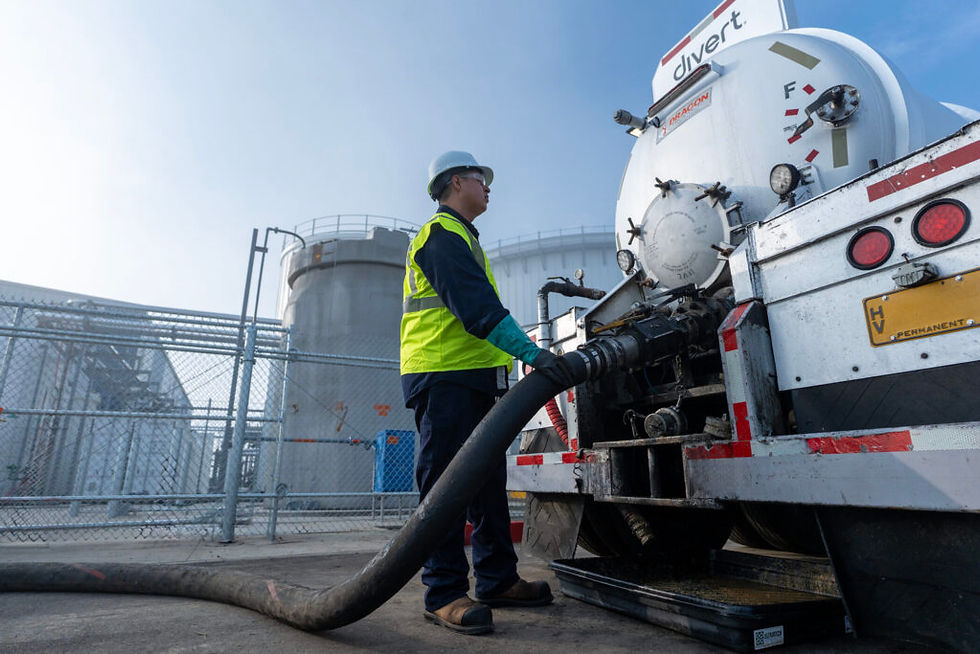
Divert Wins OMRI and CDFA Organic Listings for Upcycled Fertilisers

Cargill Doubles Production Capacity for FR3 Dielectric Fluid in Türkiye

Mars Integrates Shubh Mint Natural Menthol into European Manufacturing
