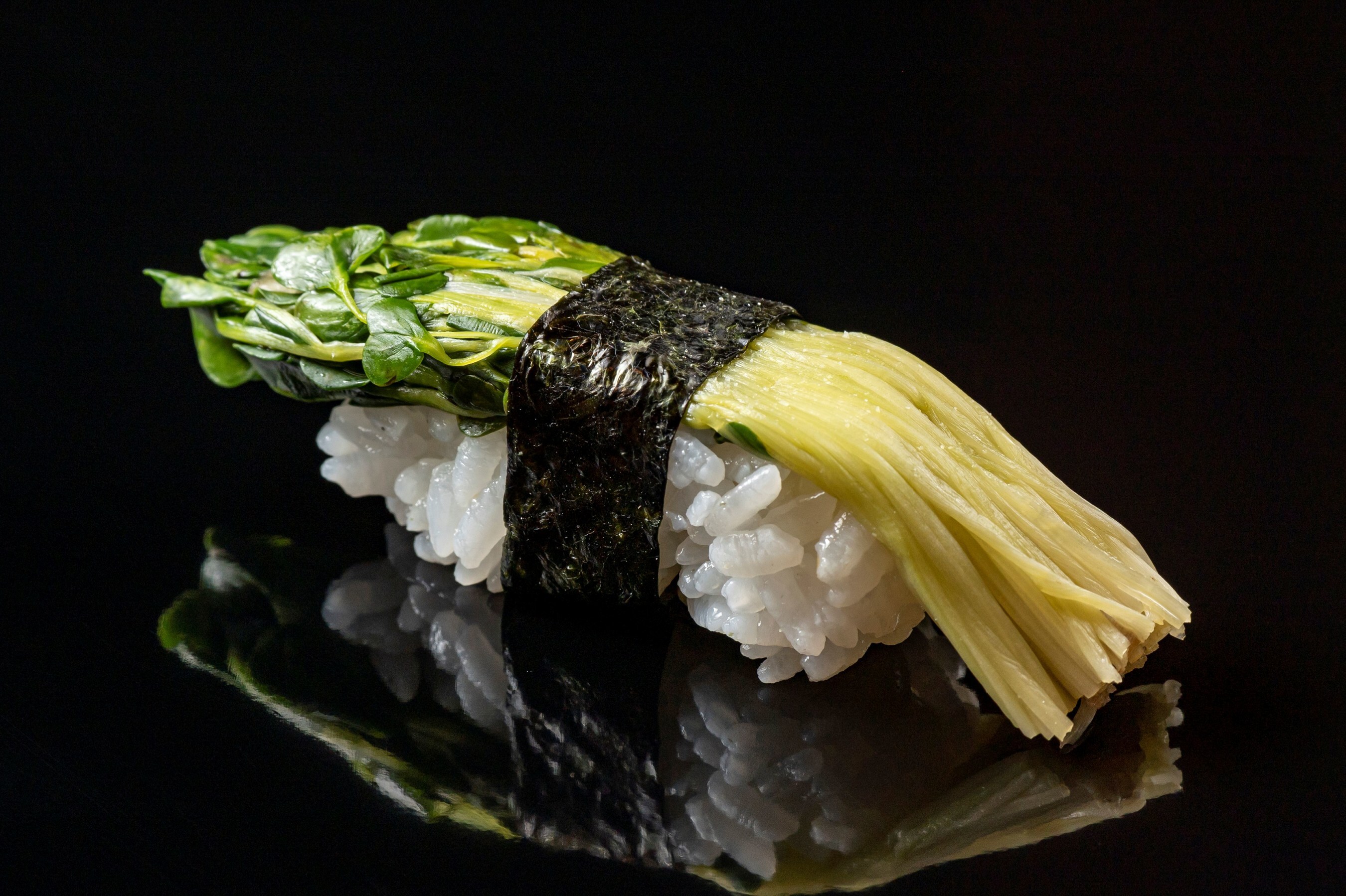
Japan-based culinary education and experience provider Sushi University has announced the launch of a dedicated Plant-Based Omakase Sushi Course. The initiative is designed to address a critical gap in Japan's tourism infrastructure: the limited availability of authentic, high-end sushi experiences for vegetarian and vegan visitors.
The launch targets the estimated 1.5 billion people worldwide (roughly 18% of the global population) who follow a vegetarian or plant-based diet. As international tourism to Japan surges, Sushi University aims to ensure that dietary restrictions do not preclude visitors from experiencing one of the country's most iconic cultural traditions.
Edomae Techniques Applied to Vegetables
Sushi University emphasises that this new offering is not merely about substitution, but a reinterpretation of traditional culinary aesthetics. The course applies historical Edomae techniques—typically reserved for seafood—to plant-based ingredients.
Technical Application:
Preparation: Methods such as salting, simmering, steaming, marinating, and aging are utilised to enhance natural sweetness and develop complex umami profiles in vegetables.
Examples: Salting to reduce bitterness, marinating in kombu for depth, and fermentation to build flavour complexity.
The menu is grounded in the core principles of washoku (traditional Japanese cuisine):
Five Tastes (Gomi): Sweet, sour, bitter, salty, and umami.
Five Colours (Goshiki): White, yellow, red, green, and black, ensuring visual appeal and nutritional balance.
Five Techniques (Goho): Raw, simmered, grilled, fried, and steamed preparations to vary texture.
The Counter Experience
A key feature of the new course is the retention of the traditional Omakase service model. Guests are seated at the counter, allowing for direct interaction with skilled sushi chefs. This setup facilitates a customisable dining experience where menus can be adjusted on the spot—a level of flexibility often unavailable to vegetarians in traditional sushi establishments.
Strategic Context and SDGs
Sushi University frames the initiative as part of its mission to promote inclusivity and alignment with Sustainable Development Goals (SDGs). By leveraging Japan's rich history as a farming nation, the course highlights seasonal produce and regional grains, offering a sustainable alternative to marine resources while preserving the spirit of Japanese hospitality.