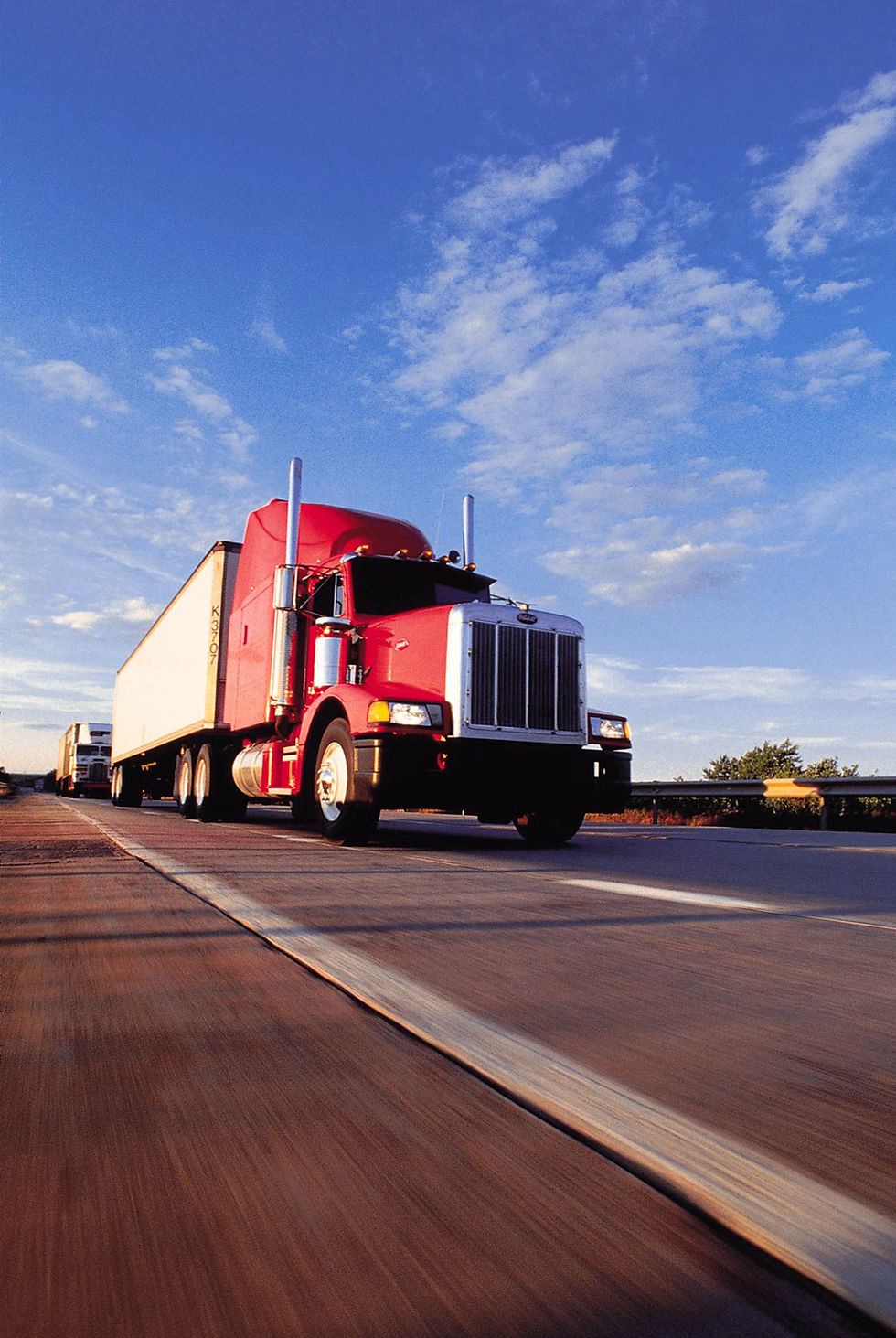
Aurora Innovation and McLane Company have announced a landmark agreement to commence driverless commercial hauls in Texas. The move marks the official deployment of the "Aurora Driver", a sophisticated SAE Level 4 self-driving system, into McLane’s massive logistics network, which serves one of the largest portfolios of restaurant brands and mass merchants in the United States.
The transition to driverless operations follows a successful multi-year supervised pilot, signalling a structural shift in how perishable goods are moved through the North American supply chain.
Proven Reliability and Technical Validation
The decision to remove the human safety driver is supported by a robust data set collected since the partnership began in 2023. Over the course of the pilot, the Aurora Driver logged more than 280,000 autonomous miles and successfully delivered 1,400 loads for McLane.
Crucially for the food and beverage sector, where shelf-life is a primary KPI, Aurora maintained 100 per cent on-time performance.
Ossa Fisher, President at Aurora, stated that the partnership is set to "transform the American food supply chain," citing the "palpable" momentum in autonomous logistics as the industry seeks more resilient distribution models.
The Hybrid Workflow and Middle Mile Optimisation
The collaboration utilises a strategic hybrid model designed to maximise the technical strengths of both autonomous systems and human workers:
The Autonomous Middle Mile: The Aurora Driver manages the high-volume, long-haul highway segments, operating two round-trips daily between Dallas and Houston, seven days a week.
The Human Last Mile: McLane’s professional drivers remain responsible for the "critical last mile," navigating complex local environments to serve customer locations directly.
Susan Adzick, President of McLane Restaurant, emphasised that this model allows human drivers to remain the "face of the company" to customers while the autonomous technology handles the repetitive, high-toil highway transit.
Strengthening Cold Chain Resilience
Autonomous trucks moving refrigerated hauls 24/7 offer a scalable solution to the ongoing labour constraints and driver shortages that have historically plagued the logistics sector. By providing a "fixed" and predictable middle-mile capacity, McLane can better manage the flow of temperature-sensitive supplies.
Key operational advantages of the driverless model include:
24/7 Utilisation: The ability to move freight through the night without violating Hours of Service (HOS) regulations.
Fuel Efficiency: AI-driven throttle and braking optimisations that reduce the carbon footprint of heavy-duty transit.
Scalable Capacity: The ability to flex fleet operations based on real-time demand without the immediate need for recruitment.
As Aurora prepares to expand these operations to new routes between McLane distribution centres across the US Sun Belt by the end of 2026, the success of this rollout serves as a blueprint for the wider F&B industry.
By integrating SAE Level 4 autonomy into a 134-year-old distribution legacy, McLane is positioning itself as a primary infrastructure provider for the modern digital economy. Industry analysts expect the "autonomous middle mile" to become the standard for large-scale foodservice distributors looking to stabilise margins and ensure supply chain sovereignty in an increasingly volatile global market.

.jpg)

Carlsberg Expands PepsiCo Bottling Partnership into Georgia and Armenia

ID Logistics Launches Dedicated Wine and Spirits Facility in New Jersey

LBB Specialties Appointed Authorised Distributor for Borregaard BioVanillin