


Never Miss an Update!
Receive personalised weekly email newsletters with industry news curated just for you.
Starbucks Coffee Company has outlined a comprehensive roadmap for its "Back to Starbucks" transformation plan during its 2026 Investor Day. Chairman and CEO Brian Niccol declared that the company is "back," underpinned by early successes in restoring service speed and a clear financial framework targeting fiscal 2028.
The strategy pivots on operational discipline, a reimagined loyalty program, and a significant structural shift in its international business model, particularly in China.
Financial Framework: Fiscal 2028 Targets
Chief Financial Officer Cathy Smith presented a long-term financial model built on consistent comparable sales growth and disciplined expansion. The company has set the following performance targets for fiscal 2028:
Consolidated Net Revenue Growth: 5% or greater.
Comparable Store Sales Growth: 3% or greater (Global and U.S.).
Network Expansion: Over 2,000 net new stores across the global portfolio, including approximately 400 net new U.S. company-operated stores.
Operating Margin: Non-GAAP consolidated margin of 13.5%–15%.
Earnings Per Share: Non-GAAP EPS of $3.35–$4.00.
"Our financial framework shows how we will translate our ‘Back to Starbucks’ strategy into sustainable, profitable growth and compelling shareholder returns," said Smith.
Operational Overhaul: Green Apron Service & Technology
A core component of the turnaround is the Green Apron Service operating model. According to Chief Operating Officer Mike Grams, the initiative has already reduced peak throughput times to under four minutes on average across café and drive-thru locations in Q1 fiscal 2026.
To further drive efficiency, Starbucks is deploying:
Smart Queue: A sequencing tool for managing orders across café, mobile, drive-thru, and delivery channels.
Mastrena 3: Next-generation espresso equipment designed to unlock volume growth.
AI Integration: New tools for supply chain management and partner scheduling.
Strategic Shift in China and International Markets
In a major structural move, Starbucks highlighted its joint venture with Boyu Capital in China. The agreement shifts the market to a licensed model while Starbucks retains a 40% stake.
Brady Brewer, CEO of Starbucks International, described the international business as an "asset-light growth driver" intended to bolster margins. The company aims to double its international footprint to nearly 40,000 locations, driven heavily by opening 15,000 to 20,000 new units in China.
Loyalty and Menu Innovation
Starbucks is also overhauling its customer engagement assets. A reimagined Starbucks Rewards program will launch on March 10, introducing a three-tier structure: Green, Gold, and Reserve.
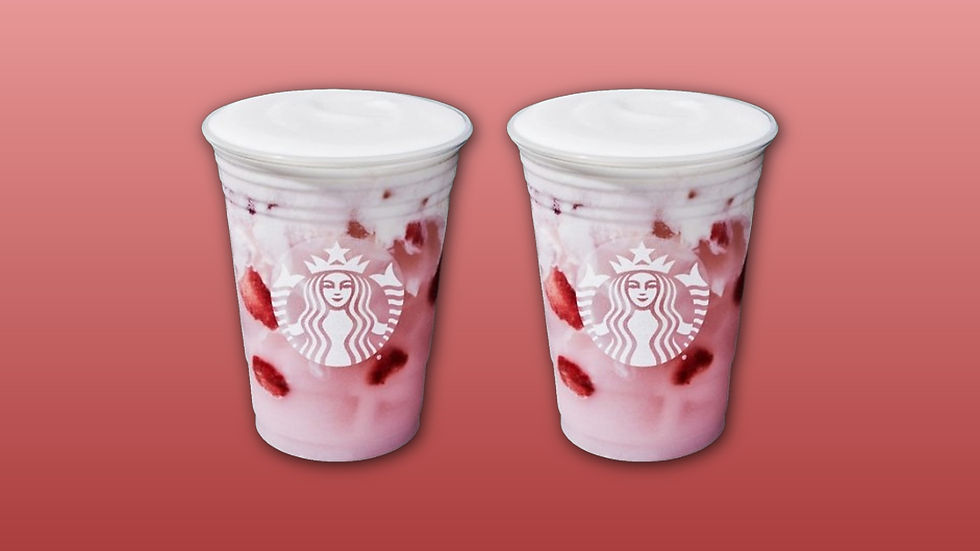
On the product front, the company is targeting the afternoon daypart—referred to as the "Afternoon Reset"—to drive incremental visits. Upcoming innovations include:
Energy Refreshers: Expanding the successful cold beverage platform.
New Flavours: Ube (launching this spring) and premium customizable chai.
Mastrena 3 Integration: Supporting a broader range of espresso-based innovations.
"We’re not chasing trends," stated Tressie Lieberman, Global Chief Brand Officer. "We’re building on a beloved platform and never giving customers a reason to go anywhere else."


.jpg)
.jpeg)

