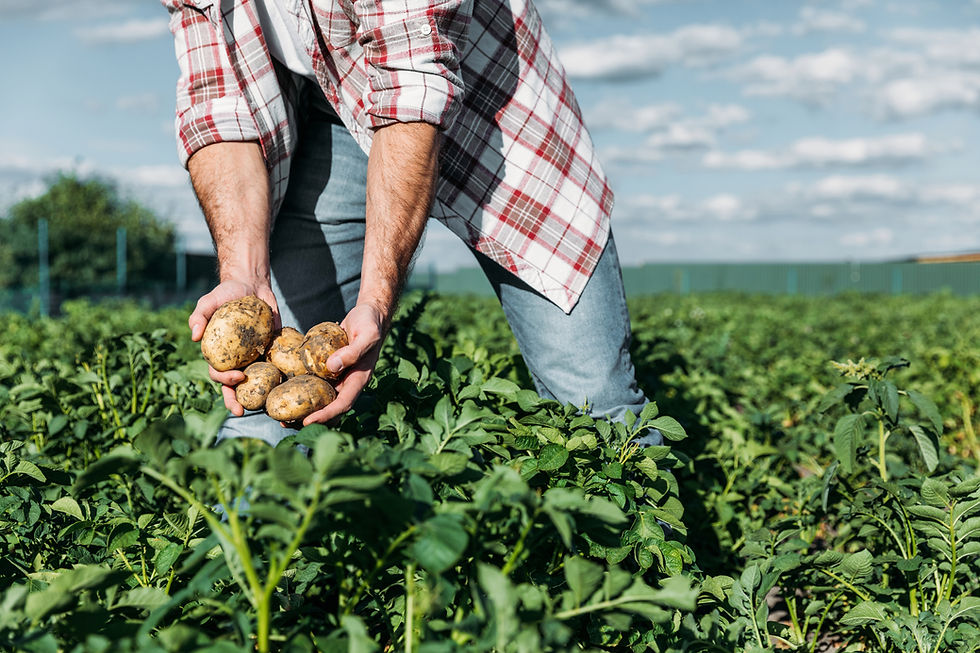
PepsiCo and the National Geographic Society have announced the allocation of five new scientific grants designed to fund practical, on-farm research into regenerative agriculture. The funding is deployed under the joint 'Food for Tomorrow' initiative, targeting critical food crops located in highly climate-stressed production zones worldwide.
The collaboration represents a strategic effort to build a robust, empirical evidence base for regenerative practices. By funding localized scientific validation, PepsiCo aims to mitigate the financial and operational risks that often deter commercial farmers from transitioning away from conventional agriculture.

Securing the Supply Chain
For PepsiCo, the investment is directly tied to its global supply chain resilience and its overarching sustainability framework. The multinational food and beverage company recently expanded its target to drive the adoption of regenerative, restorative, or protective farming practices across 10 million acres by 2030.
Jim Andrew, Executive Vice President and Chief Sustainability Officer at PepsiCo, highlighted the economic reality facing agricultural suppliers: "The global food system is under increasing pressure from climate change and extreme weather, and meeting this moment requires supporting the people at the heart of it - the farmers. Farmers get one chance each season to make a crop succeed. That's why strong, science-backed practices matter."
Andrew added that demonstrating proven outcomes is essential to giving farmers "the confidence that regenerative agriculture not only helps build a more resilient food system but also strengthen their livelihoods."
Ag-Tech and Intercropping
The newly appointed National Geographic Explorers will conduct their research over the next two years in real-world contexts, focusing on high-volume commodities including wheat, maize (corn), potato, soy, and coffee.
The funded projects span diverse geographies and utilize a mix of biological interventions and advanced ag-tech:
Spain (Wheat/Maize): Ahan Dalal will test locally rooted practices such as biochar, cover crops, and beneficial microbes under both normal and drought scenarios, aiming to develop a resilience blueprint for the wider Mediterranean region.
Ethiopia (Coffee/Potato): Hewan Degu is building the microbial evidence base for regenerative intercropping systems, testing the viability of growing potatoes alongside coffee plants to maximize land use and soil health.
Indonesia (Maize): Al Greeny S. Dewayanti will incorporate advanced tools—including DNA metabarcoding and an early-stage AI-powered farmer app—to test the soil regeneration benefits of intercropping maize with the omega-3-rich sacha inchi vine.
United States - Wisconsin (Maize/Soy/Wheat): Omar de Kok-Mercado will research landscape-scale regeneration by rebuilding biodiverse corridors through a connected 'wild grid' of native prairie plantings on marginal farmlands.
United States - Wisconsin (Potato): Jamie Spychalla will study the agronomic and yield benefits of integrating nitrogen-fixing alfalfa as a harvestable, rotational cover crop to mitigate climate-induced moisture stress in a critical U.S. potato hub.
Expanding the Focus
Historically known for conservation and ecological research, the National Geographic Society noted that agricultural systems are becoming a central priority. Ian Miller, Chief Science and Innovation Officer at the Society, stated:
"Regenerative agriculture is an exciting new area of focus for us. This work is deeply interconnected with many longstanding issues that we tackle: safeguarding freshwater and coastal ecosystems; restoring landscapes to support biodiversity, reduce our carbon footprint, and secure irrecoverable carbon reserves."
The scientific findings will be supplemented by a consumer-facing storytelling component. Five additional Explorers are currently documenting the agricultural transition across 12 countries. Later in 2026, the partnership plans to release multimedia content and an interactive data visualization tool to further drive industry and public engagement regarding the future of the global food system.


.jpg)
IFF Launches Omni-Bos PHY Phytase Enzyme to Improve Dairy Feed Efficiency
.jpg)
Beanstalk AgTech Launches Monsoon Ventures to Scale Southeast Asian Agtech

General Mills, ADM and Walmart Partner to Accelerate Wheat Regenerative Agriculture