
.png)
Analysis
April Fools' 2026: From Matcha Mayo to Sheep's Milk Coffee
The 2026 F&B April Fools' landscape is dominated by "flavour subversion" and "hyper-innovation," with brands like Lost Sheep Coffee and Superfoodio leveraging polarising taste profiles and absurd technology to drive massive social engagement. F&B April Fools 2026: The Best Brand Pranks and Faux Launches
April 1, 2026

Never Miss an Update!
Receive personalised weekly email newsletters with industry news curated just for you.
April Fools' Day in the Food and Beverage sector has evolved from simple "fake products" into a high-stakes battle for viral engagement. In 2026, we are seeing a shift away from the obviously impossible toward "plausible absurdity"—products that are just weird enough that they might exist in today's experimental market.
Here is a breakdown of this year’s most "delicious" and "matcha-fied" standout pranks.
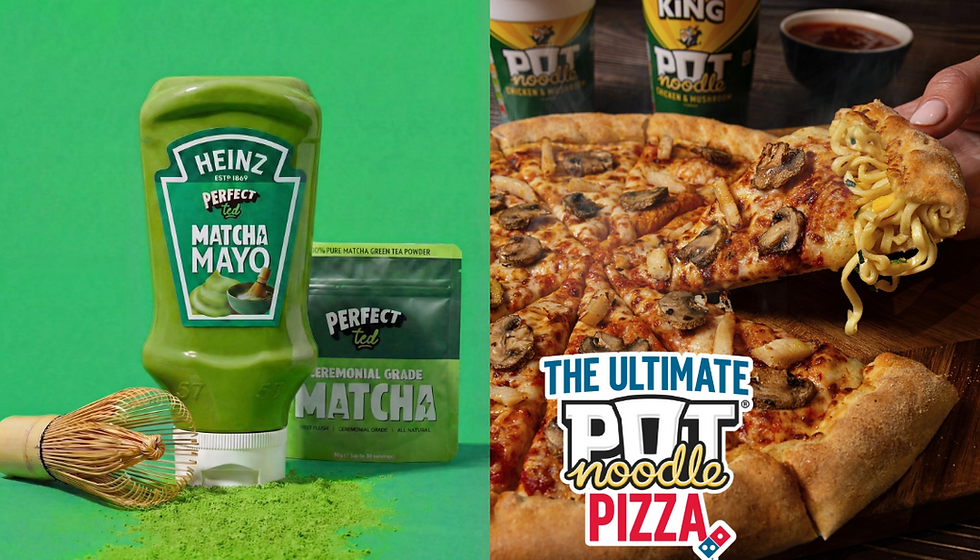
The Green Condiment: Matcha Mayo
The "Matcha Mayo" campaign (spotted via LinkedIn) is a masterclass in leveraging the "superfood" trend for comedic effect.
The Joke: A bright, forest-green mayonnaise infused with premium ceremonial-grade matcha.
The Branding: The campaign uses minimalist, "clean-label" aesthetics that mirror high-end health brands. It plays on the consumer obsession with antioxidants and "functional fats."
Why it Works: In an era where matcha is being added to everything from beer to skincare, "Matcha Mayo" is just one step beyond reality, forcing a double-take from health-conscious shoppers who might actually find the "earthy notes" of green tea a compelling addition to a sandwich.


Superfoodio: The "Dillicious" New Launch
Superfoodio has tapped into the internet’s inexplicable and undying love for pickles with their "Dillicious" faux-launch (as seen via Jagir Mankodi’s announcement).
The Joke: A Dill Pickle flavoured Peanut Butter (or similar snack variant).
The Branding: Utilising the "Dillicious" pun, the branding features vibrant green accents on their traditional premium packaging. It targets the "polarising flavour" demographic—the same audience that propelled "pickle-flavoured everything" to viral status in late 2025.
Why it Works: The "pickle and peanut butter" combination is a well-known internet food hack. By "legitimising" it with professional branding, Superfoodio triggers a debate between "team gross" and "team genius," which is the gold standard for April Fools' social metrics.
Lost Sheep Coffee: The Play on Name
Lost Sheep Coffee took the "innovation" angle (spotted via Stuart W on LinkedIn), satirising the industry's obsession with faster, more efficient caffeine delivery.
The Joke: A "Coffee Scented Patch" or "Intravenous Espresso Drip" (The "Caffeine Patch").
The Branding: The marketing materials look like a high-tech bio-hacking product launch. It uses clinical language ("sublingual absorption," "caffeine-peak optimisation") to mock the "bio-hacker" coffee culture.
Why it Works: It addresses a genuine pain point—the need for caffeine without the "hassle" of drinking a cup—while being physically ridiculous enough to be a clear prank. It reinforces Lost Sheep’s identity as a brand that takes its coffee seriously, but not itself.


THIS™ IS WATER: Plant-based brand THIS launches water in cans

Introducing the morning energy boost you never knew you needed.
Honourable Mentions: The "Shared Love" Pranks
Across social channels like Facebook, several other F&B players have joined the fray:
The "De-Carbonated" Sparkling Water: A brand claiming to have removed the bubbles from their seltzer for a "smoother, stiller experience"—effectively selling plain water at a premium price.
AI-Generated "Taste-O-Vision" Apps: Multiple brands are claiming that you can now "lick your screen" to taste their new seasonal limited-time offerings (LTOs) using a new "haptic flavour" technology.

Industrial Significance: Why Brands Still Joke
For B2B stakeholders, these pranks serve a vital commercial purpose:
Market Testing: Brands often use April Fools' to gauge the reaction to polarising flavours. If "Dillicious" peanut butter gets enough "unironic" requests, a limited-edition run might actually follow.
Brand Humanisation: In an increasingly corporate and AI-driven market, self-deprecating humour helps brands build "cultural capital" with Gen Z and Millennial consumers.
Low-Cost Viral Reach: A well-executed prank can generate more earned media impressions in 24 hours than a multi-million dollar traditional ad buy.
Outlook for 2027
As we move toward 2027, expect April Fools' pranks to integrate even more "Deepfake" and "GenAI" elements, making it nearly impossible for consumers to distinguish between a "disruptive startup" and a well-timed holiday joke.