
Report
PS Seasoning Forecasts 'Protein-First' Diets and 'Newstalgia' to Define the 2026 Flavour Landscape
In its annual forecast released today, PS Seasoning—a global leader in flavour innovation—outlines the key trends expected to dominate the culinary landscape in the year ahead. Drawing on extensive R&D testing involving over 1,200 new flavour concepts developed in 2025, the report identifies how shifts in cooking habits are directly influencing demand for seasonings and sauces.
December 31, 2025

Never Miss an Update!
Receive personalised weekly email newsletters with industry news curated just for you.
As the food and beverage industry heads into 2026, consumer behaviour is being reshaped by a convergence of tighter household budgets, a relentless focus on high-protein nutrition, and heightened scrutiny of ingredient labels.
Yash Burgula, Director of R&D at PS Seasoning, summarised the prevailing consumer sentiment:
"Consumers aren't just chasing new flavours—they're looking for solutions that make cooking easier, healthier, and more exciting. The trends we're forecasting reflect what we're seeing in our Culinary Innovation Centre—and what both consumers and manufacturers are seeking as we head into 2026."
Here are the six pivotal trends PS Seasoning predicts will shape the market in 2026.
1. The Evolution of 'Protein-First' Eating
High-protein diets have graduated from a niche fitness trend to a mainstream dietary fundamental. According to the report, more than 70% of consumers are now actively seeking ways to add protein across all meals and snacks.
This shift has birthed the "Protein-First" eating philosophy. Consumers are increasingly selecting their protein source first—whether poultry, beef, pork, wild game, or plant-based options—and building the rest of the meal around it.
Crucially, as protein-forward snacks like meat sticks become dietary staples rather than occasional treats, brands are under pressure to prevent flavour fatigue. PS Seasoning notes that bold, unexpected profiles are essential to sustaining this habit. Expect to see everyday snack sticks elevated with globally influenced street-food flavours and complex, layered smoke-and-spice blends that make the format feel craveable and differentiated.
2. The Resurgence of DIY & Home Meat Processing
Ongoing economic pressures and rising meat prices are driving a return to frugality and self-sufficiency in the kitchen. With 81% of consumers now cooking more than half their meals at home, there is a renewed interest in bulk buying and home meat processing.
This environment is fuelling growth in DIY categories such as homemade snack sticks, sausages, brats, and jerky—practical, value-driven ways to stretch protein budgets. To support this, consumers are gravitating towards easy-to-use kits and multi-purpose blends that simplify the process.
Flavour-wise, this DIY movement is moving beyond basic seasonings. The forecast highlights demand for:
Sweet-Heat Combinations: A perennial favourite offering complex palatability.
Smokehouse Profiles: Wood-fired flavours that mimic professional BBQ.
Playful 'Newstalgia': Novelty flavours like root beer.
Elevated Classics: Herb-forward blends rooted in traditional curing techniques.
3. The 'Clean Label' Imperative
Wellness is now deeply embedded in everyday purchasing decisions, leading shoppers to scrutinise what is in their food as much as how it tastes. Nearly 60% of consumers report reading ingredient labels more closely than they did in previous years.
This heightened awareness is driving a mandate for cleaner labels. Shoppers are demanding formulations with lower sugar, fewer preservatives, and zero artificial colours or flavours. Claims such as gluten-free and organic are becoming baseline expectations rather than premium differentiators. Consequently, 2026 will see a surge in seasoning blends that feel "lighter" and more purposeful—delivering robust flavour without unnecessary chemical complexity.
4. Global Exploration via Familiar Formats
While consumers crave adventure, they prefer it in accessible formats. The trend of "Global + Familiar" sees exotic flavour cues applied to everyday cooking methods, empowering home cooks to explore new cuisines without mastering complex techniques.
PS Seasoning predicts broad appeal for approachable mashups, including:
Gochugaru-inspired BBQ: Merging Korean spice with American barbecue traditions.
Indian-inspired Curry Seasonings: Adapted for general protein application.
Birria-style Flavours: Street-food profiles translated for home kitchens.
Global Grilling Blends: International spice rubs designed for the backyard grill.
5. Comfort Meets 'Newstalgia'
Nostalgia remains a powerful emotional driver, but the 2026 consumer wants it with a modern edge. "Newstalgic" blends offer the emotional reassurance of comfort food while delivering contemporary flavour appeal.
Key profiles in this space include pesto-driven seasonings, buttery umami-rich blends, and imaginative reinterpretations of regional classics that bridge the gap between the past and the present.
6. Swicy & Heat 2.0
The "Swicy" (sweet + spicy) trend remains one of the category's strongest performers, but it is evolving. For 2026, heat will become more sophisticated.
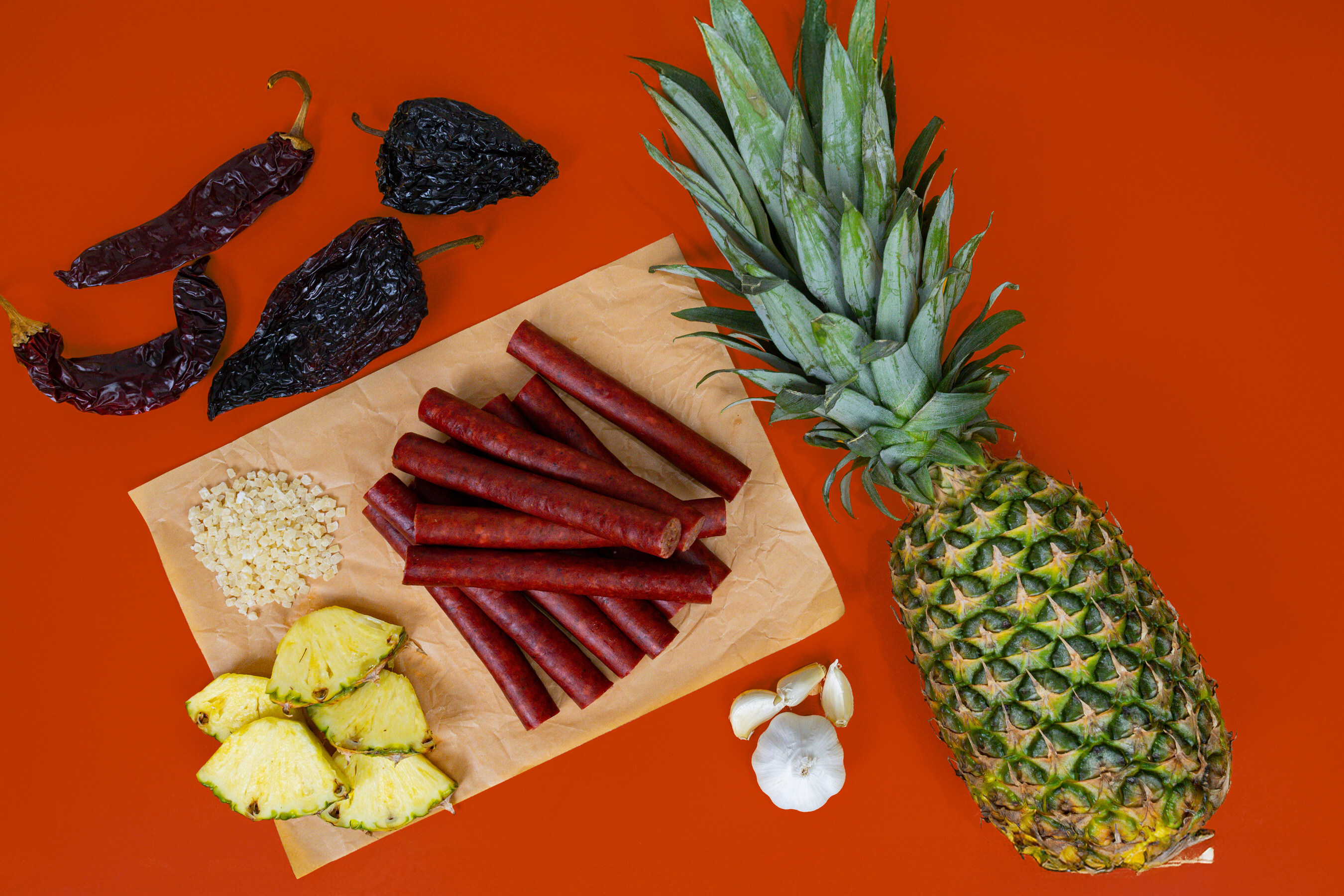
Expect to see "Heat 2.0"—layered, visually expressive spice profiles that balance heat with savoury, smoky, and umami elements. The report specifically highlights select chili and fruit pairings designed to appeal to both dedicated heat seekers and more cautious tasters looking for complexity rather than just burn.
The Role of AI in Flavour Innovation
Beyond specific flavour profiles, PS Seasoning is modernising how these trends are identified. The company is integrating AI-assisted research and flavour ideation tools into its R&D process to accelerate development.
"AI doesn't replace the craft of flavour development—it accelerates it," Burgula explained.
"We use AI to compress the early stages of innovation—scanning trend signals, researching products, and pressure-testing ideas faster—so our culinary and technical teams can focus on what they do best: turning insight into flavours that perform."
About PS Seasoning Family-owned and operated since 1977, PS Seasoning and its sister company Pro Smoker are global leaders in flavour innovation and equipment solutions. producing over 55 million pounds of seasoning annually across a library of 5,000 unique blends.